
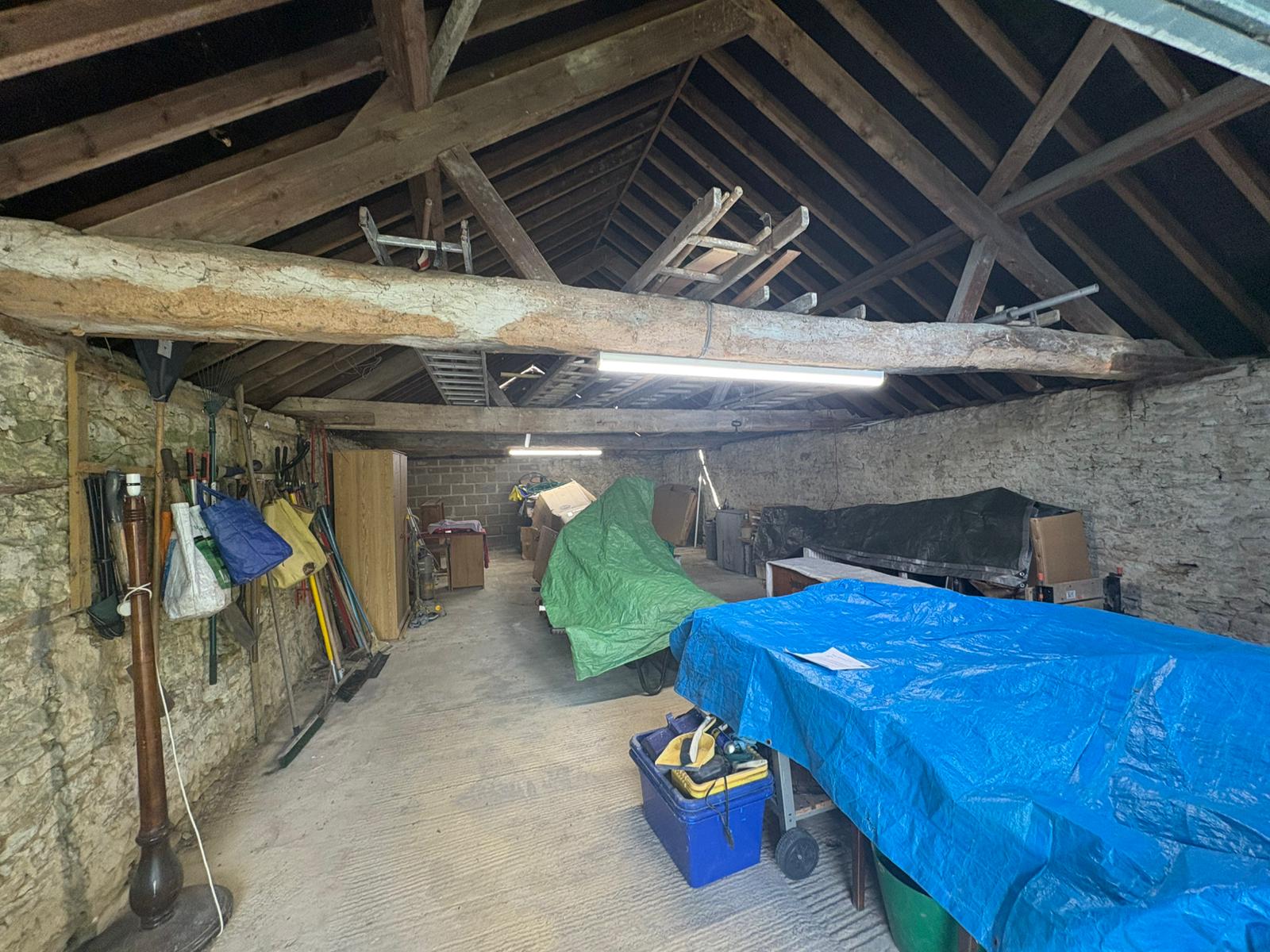
Location: Merton, Bicester
Type of property: Timber framed garage
Services used:
Materials Used:
Problem: The client contacted Property Conservation Services regarding evidence of woodworm in their garage, including loose frass and small holes in the timbers of their garage. Upon surveying the property it was found that there was an active infestation of Common Furniture Beetle to trusses, tie beams, wall plates, cladding at either end and niche lintels. We understood there was also a possible bat presence in the garage. The client was required to obtain a survey and permission for timber treatment from the relevant authority prior to any work.
Works completed: Natural England offers free advice for householders where bats are or are thought to be present. They will advise on how and when proposed work should be carried out in order to prevent harm to bats and comply with the relevant legislation. Following a visit to the property owner, Natural England produced a report to confirm their official advice: In the report, Natural England wrote, ‘Natural England advises that you undertake the following actions in order to avoid harming bats or their roosts and thereby avoiding the risk of committing offences. If you cannot follow this course of work, please contact Natural England1 for further advice as it may mean that you need to apply for a licence. All bat species are very vulnerable to disturbance during hibernation, late pregnancy, and while dependent young that are unable to fly are in the roosts. Many species of bat use roost sites on a seasonal basis and will disperse to a different winter hibernation site. However, some species of bats may use the same roost throughout the year and remain in the loft space during the winter. The majority of bat maternity colonies usually disperse by September when the juveniles have been weaned. Although minimal evidence was found for bats using the garage at the time of the survey, a precautionary approach must be followed. On this basis, please carry out the work between 1 and 30 April or between 15 September and 31 October, ensuring that it does not begin or end outside either of these periods. Work done at any other time of year is likely to require a licence from Natural England. If you wish to pursue this option, you will need to engage an ecological consultant, as such licences cannot be obtained under the free advice service.’ Treatment procedure
Bats visible at visit
None seen
Bat species and numbers
Not confirmed
Bat droppings information
None seen
Roost type
Not confirmed
Roost location
Not confirmed
Bat access point/s location
Potential access by gaps between wall and roof tiles on all sides, approximately 6-18 feet above ground
Additional information
All information refers to the barn/garage, not the house. The homeowner stated a single bat was seen behind a box at waist height next to the door of the garage last summer
IMAGES