
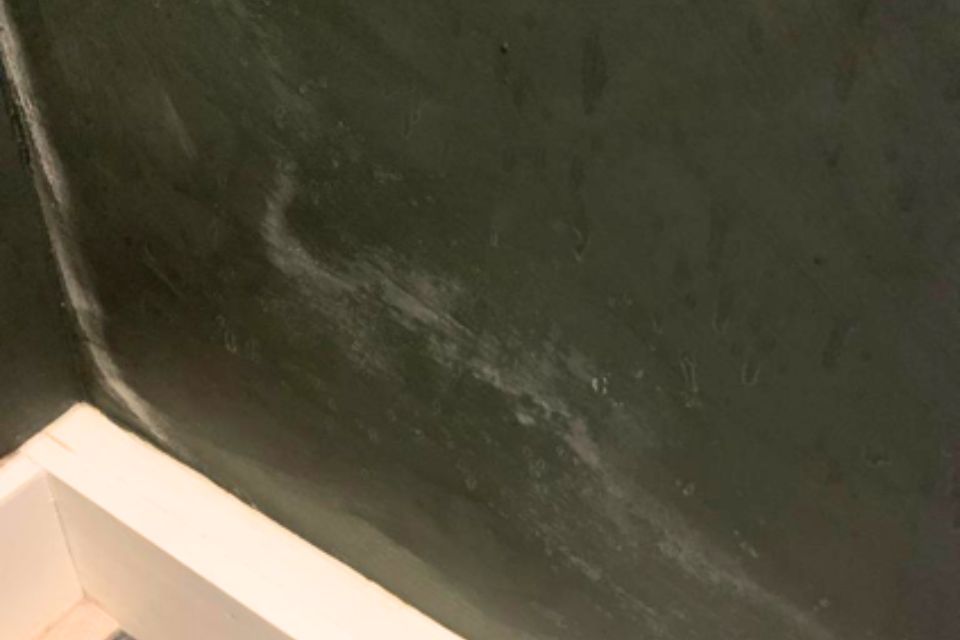
Salt tide marks often show up more easily on walls when it’s warm because of accelerated evaporation rates. Let’s get into the details of what’s happening…
What are salt tide marks?
What you’re seeing on your walls is the deposit of ground salts. Ground salts (calcium chloride and/or nitrates) get drawn up from earth with a capillary action when moisture ‘wicks’ into the structure of a property. As the moisture begins to evaporate the salts get left behind.
The problem with ground salts in your walls is that they are hygroscopic. This means they attract yet more moisture from the surrounding atmosphere, and you end up with a perpetually damp wall.
Faster evaporation
The materials in your property’s structure are porous (brick, mortar, plaster etc) and the warming of the wall naturally draws the moisture to the surface. The faster this action occurs, the quicker the moisture wicks up from the ground, and the more salts are deposited.
Can you stop hygroscopic salts?
Before there is a problem, hygroscopic salts are stopped from wicking up into the brickwork by a dampproof course. If the dampproof course is missing, damaged or bridged by internal works such as plasterboard going straight down to the floor or by high external ground levels, then that’s when you get damp problems.
The only way to stop the salts is to stop the damp:
- Remove the bridging plasterboard
- Lower the external ground level
- Remove the wet plaster
If it is deemed necessary, you may need a replacement dampproof course, in the form of an injectable DPC and/or waterproof wall membrane.
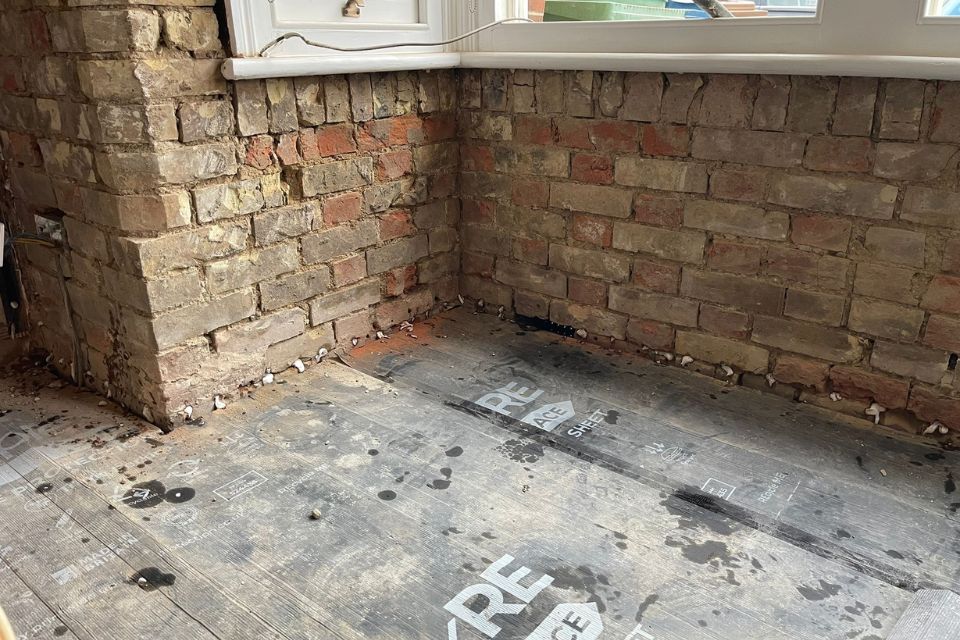
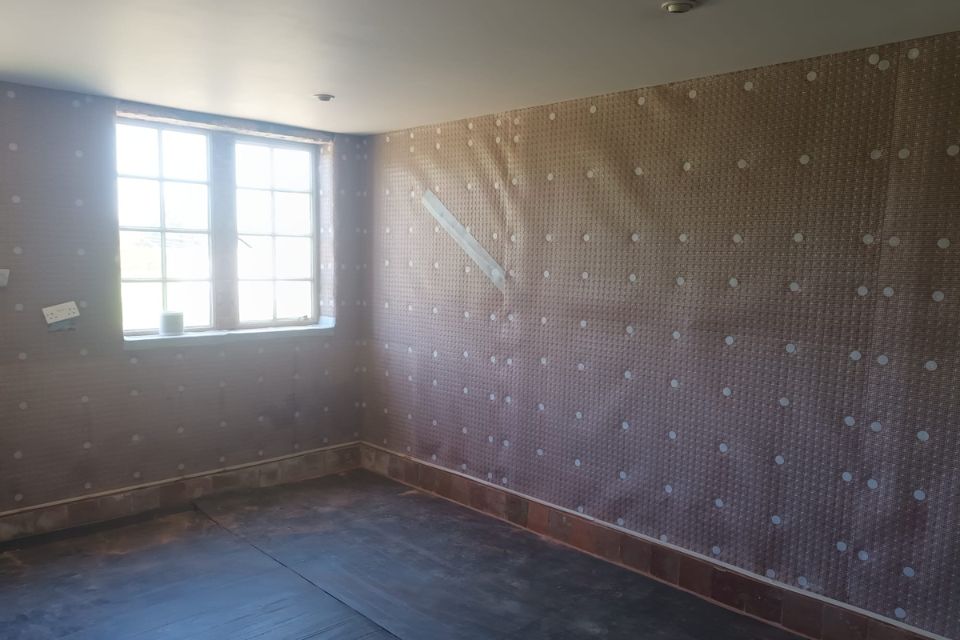
‘Even when the source of capillary rise has been addressed there may still be a need to address the accumulation of salts. When also considering the many methods for controlling rising damp, the remediation approach you chose to adopt might also be determined by a number of factors including;
- Age
- Construction type
- Heritage/ architectural significance’ Property Care Association
For buildings with listed status, we cannot conduct any works that permanently changes or damages the fabric of the building. This includes the injection of a chemical dampproof course. There are other restrictions across various types of property, so our advice would be to engage a damp specialist to survey the problem and produce a full report and quote for the remediation.
‘We contacted this company due to rising damp issues, and the surveyor came within a couple of days and explained our problems clearly. The technicians were booked in to fix the problem within a week or so and they arrived on time and worked extremely hard until the work was completed. They left the site clean and tidy and were very pleasant men to deal with. I would recommend this company to anyone.’ Google Reviews
Spotted tide marks on your walls?
Unfortunately, simply drying out your room space, and even using a dehumidifier won’t be enough to fix your damp problem and stop it happening again, if ground salt deposits are present.
Contact Property Conservation Services for a damp survey, and we’ll answer any questions you have including what remedial action is required, how long it will take and how much it will cost (the cost of your survey is deducted from the bill).
Period or listed building?
Don’t worry, we can still fix the problem, with sensitivity to the strict guidelines.
Fill out our quick contact form today and let’s get started with making your home warm and dry once again.