
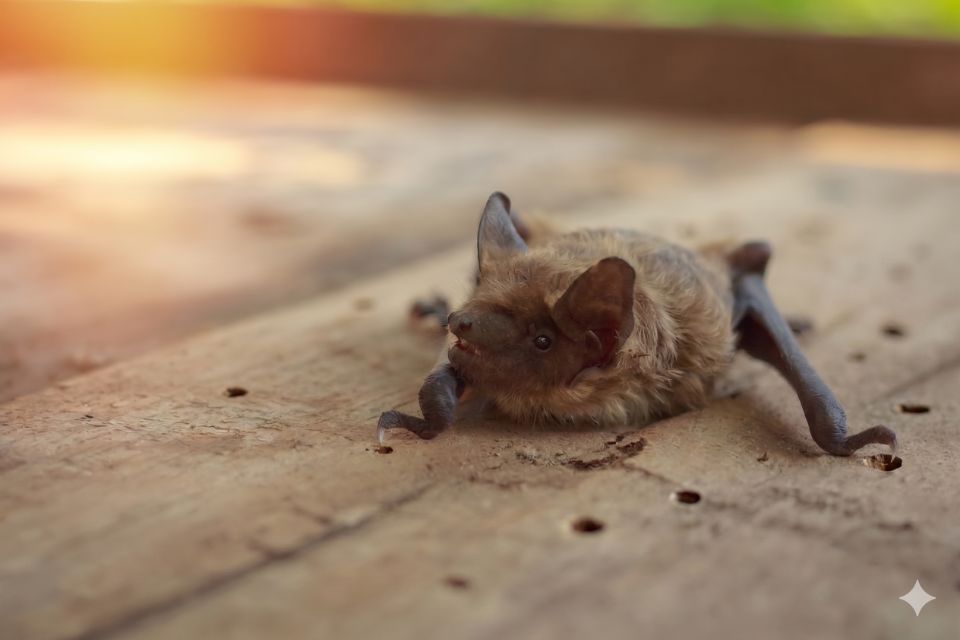
Woodworm and bats often go hand in hand when you work with period and listed properties like us. However, bats are highly threatened mammals, and their successful conservation depends on the availability of a range of roost sites that meet their needs throughout the year; they therefore depend very much on the goodwill of owners of properties like you.
If you have woodworm and suspect bats are present
You may not be aware that you have bats roosting in your property, but very aware of the presence of woodworm. In that case, a timber treatment specialist like us will carry out a full survey, looking for evidence of both woodworm and bats, either historic or active.
If we believe bats are, have or will be roosting, we’ll need to call in the experts.
Working with Natural England
Call the National Bat Helpline, run by the Bat Conservation Trust on 0345 1300 228, to find your nearest bat specialist. In our case, we work with Natural England.
Natural England offers free advice for householders where evidence of bats is present. They will advise on how and when proposed work should be carried out in order to prevent harm to bats and comply with the relevant legislation.
The important things to note are:
- Many species of bat are seasonal visitors to their roost sites
- Some, however, stay all year round and hibernate on site
- The most common time for bats to be away from their roost site is April, and mid-September to October.
How to treat woodworm and bats
Contractors must be informed of the roost site before work begins and if you have followed the advice from the bat conservationist, you should be able to commence treating the timbers within the advised timeframe.
First, a thorough search of the property should be undertaken, using a soft brush to reach the crevices and help locate any bats hidden inside.
Ideally the treatment chemical will be painted onto the timbers, not sprayed, and only bat appropriate chemicals should be used in minimal volumes.
Look for a treatment fluid containing a synthetic pyrethroid or boron compound, to treat wood-boring insect, with a copper, zinc or boron compound to prevent rot, preferably in emulsion or aqueous solution.
Do NOT proceed if bats are actually present and contact the helpline for further advice.
Just to remind you that it is a legal requirement to help conserve bat colonies. They should not be removed from their chosen roost site and any potential access gaps to the building should not be blocked up.
Contact us about woodworm and bats
We have experience of working with woodworm in historic buildings and of protecting the sites chosen by bats for roosting. We will survey your property and provide you with the necessary contact details for advice from the bat experts. We’ll then return to treat your timbers as appropriate.
Please also bear in mind that your woodworm infestation may in fact be historic and inactive, so there’s zero risk to your property or the bats – but you won’t know until you call the surveyors in!
Contact us on 01865 718 383 or visit the Timber Treatments website page for more information.