
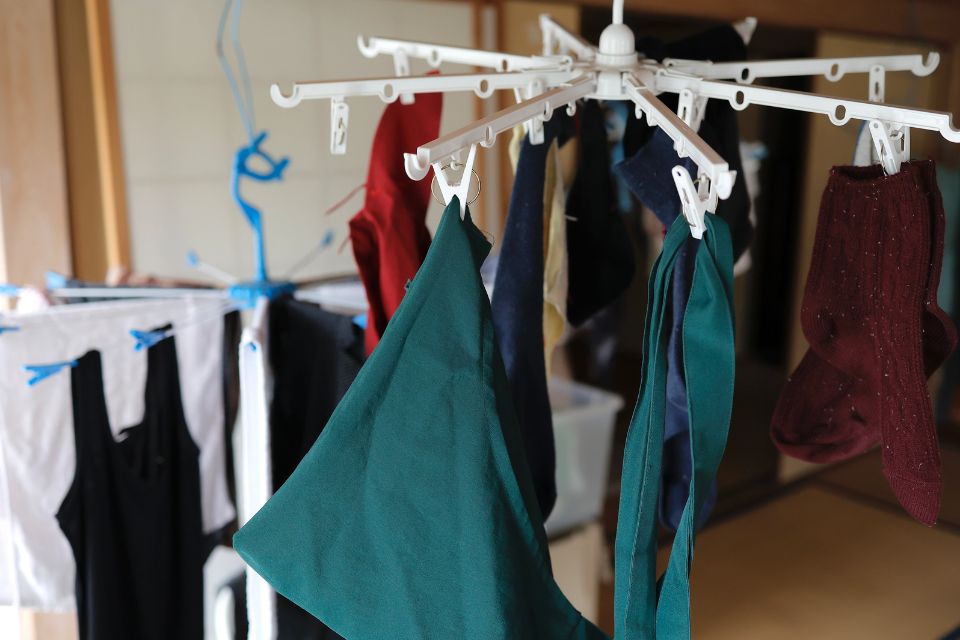
As the impending winter brings colder temperatures, wetter weather and rising energy costs, hanging the laundry out to dry and running the tumble dryer every day often isn’t an option. For millions of households, indoor drying racks and wet washing on radiators become a permanent fixture. However, drying clothes indoors without proper management risks a direct trade-off between clean clothes and healthy living conditions.
Understanding the threat of condensation indoors and implementing a few smart fixes will help keep your home warm, dry, and free from black mould (Stachybotrys chartarum).
The Risks of Drying Clothes Indoors…
Did you know, a single load of wet laundry contains up to two to three litres of water? When wet clothes hang in a warm room to dry, that water evaporates directly into the air around you.
If that airborne moisture has nowhere to go, relative humidity levels surge above 60%, the perfect environment for black mould spores to germinate. This vapour collects on the coldest surfaces in your home in the form of condensation:
- Cold exterior walls.
- Window frames and sills.
- Uninsulated corners and ceilings.
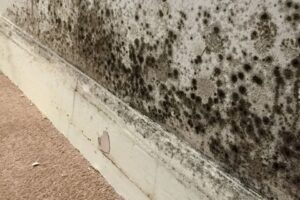
Over time, this damp surface becomes an ideal breeding ground for toxic black mould.
Health Implications of Black Mould
Black mould isn’t just an unsightly visual problem; it’s a significant health hazard. As mould colonies grow, they release microscopic spores and airborne toxins called mycotoxins.
Inhaling these particles triggers and worsens several respiratory conditions:
- Asthma and Allergies: Spores act as severe irritants, causing coughing, wheezing, sneezing, and persistent eye irritation.
- Aspergillosis: A serious fungal lung infection caused by inhaling specific mould spores, particularly dangerous for individuals with weakened immune systems.
- Damp-Related Respiratory Illness: Prolonged exposure causes chronic bronchitis, sinus congestion, and unexplained fatigue, especially in young children and the elderly.
Five Ways to Make Drying Clothes Indoors Safer
You don’t need to choose between damp laundry and condensation. Follow these practical steps to manage moisture effectively during winter:
- Maximise the Washing Machine Spin Cycle
Run an additional spin cycle before removing laundry from the machine. Extracting extra water mechanically takes seconds and drastically reduces the moisture load entering your living space.
- Contain and Ventilate the Drying Zone
Dry clothes in a single, closable room (like a bathroom or utility space) rather than open living areas or bedrooms. Keep the door closed to prevent humid air from drifting into colder rooms and open a window slightly or turn on an extractor fan to vent moist air outside.
- Space Out Your Garments
Avoid overcrowding clothes on the airer. Airflow is key to rapid drying; leaving gaps between items speeds up evaporation and minimises the total time humidity remains high.
- Use a Dehumidifier
If opening windows lets in too much cold air, place a portable dehumidifier directly next to your drying rack. A dehumidifier actively extracts moisture from the air before it can settle on cold walls, drastically cutting drying times.
- Maintain Background Heating
Keep room temperatures consistent (ideally between 18°C and 21°C). Warm air holds moisture better than cold air, delaying condensation until ventilation or your dehumidifier can clear the air.
Protect Your Property and Health
If condensation and black mould have already taken root in your home, surface cleaning is only a temporary fix. At Property Conservation Services, we specialise in diagnosing the root cause of damp problems, improving ventilation strategies, and eradicating mould at its source.
Contact our specialist team today for damp surveys and professional remediation solutions for your home.