
Woodworm Removal
& Timber Treatment
in Oxfordshire
Worried about holes in your beams, floorboards or roof timbers? Get a specialist survey to understand what is happening and the right next step for your property.
- 45+ years serving Oxfordshire
- Qualified surveyors
- Timber treatment specialists


Found holes in your timber?
Find out what they mean.
Discovering signs of woodworm can leave you wondering how much damage is hidden beneath the surface. You need to know whether there is a current problem, whether the timber is sound and what to do next.
Woodworm is the familiar name for the larvae of wood-boring beetles. Different species affect timber in different ways, so correct identification matters.
The right starting point is a diagnosis. Holes alone are not a reason to assume your whole property needs treatment.
Get advice on your timberSmall holes in timber
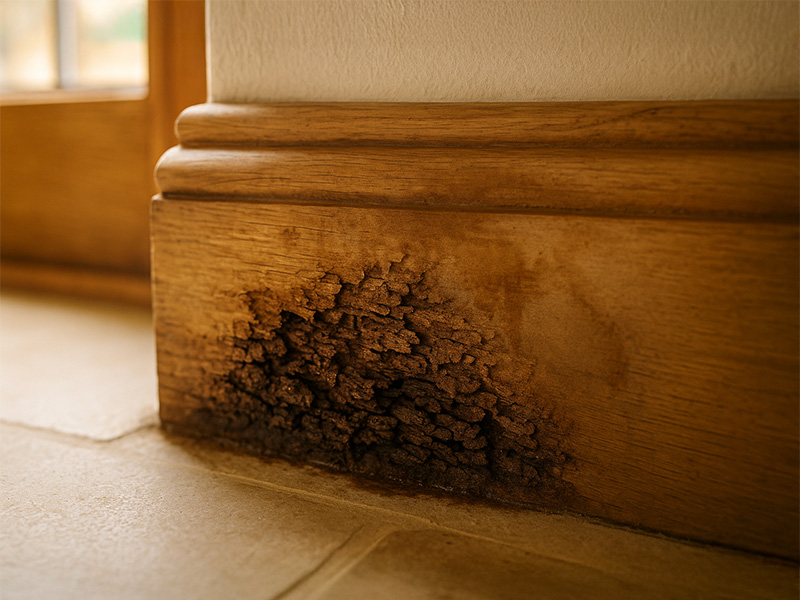
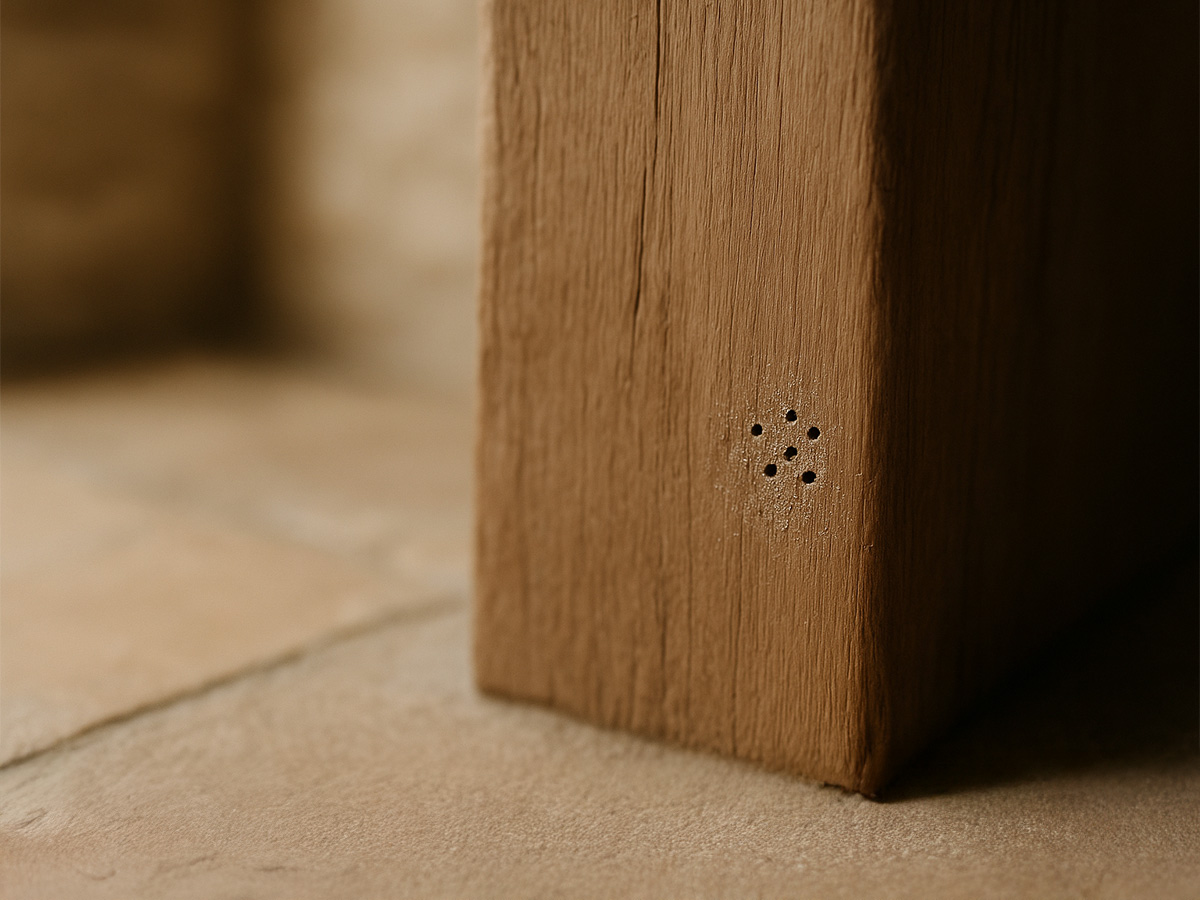
Exit holes show that beetles have emerged at some point. They do not tell the whole story about current activity.
Fine dust around holes
Bore dust, known as frass, is worth investigating. Disturbance can also release dust from old damage.
Beetles or weakened wood
Keep a photograph of any insects you find. Crumbling or visibly weakened structural timber needs assessment.
From uncertainty to a clear plan
Three steps to understanding and treating a woodworm problem.
 Step 1
Tell us what you have found
Call or enquire online. Tell us where the signs are, your property’s location and whether you are buying, renovating or living in the property.
 Step 2
Understand your timber
A qualified surveyor investigates the accessible timber, the signs of infestation and relevant conditions, then explains the findings and recommendations.
 Step 3
Agree the right next step
Where treatment is needed, we explain the proposed work and preparation. Any repairs or further investigation can be considered alongside the treatment plan.
Specialist care for roof timbers, floor joists and beams
Property Conservation Services investigates timber infestations in homes and other buildings across Oxfordshire and the surrounding counties. Recommendations are based on the timber, the evidence of activity and the access available.
- Inspection of accessible affected timbers
- Assessment of the likely beetle species and activity
- Appropriate treatment where it is justified
- Advice on moisture, access and the next steps
Treatment and repair do different jobs. Controlling an infestation does not restore strength to damaged timber. Repair needs must be assessed separately.
Experienced people. Clear explanations.
Property Conservation Services brings decades of property care experience to your timber concerns.
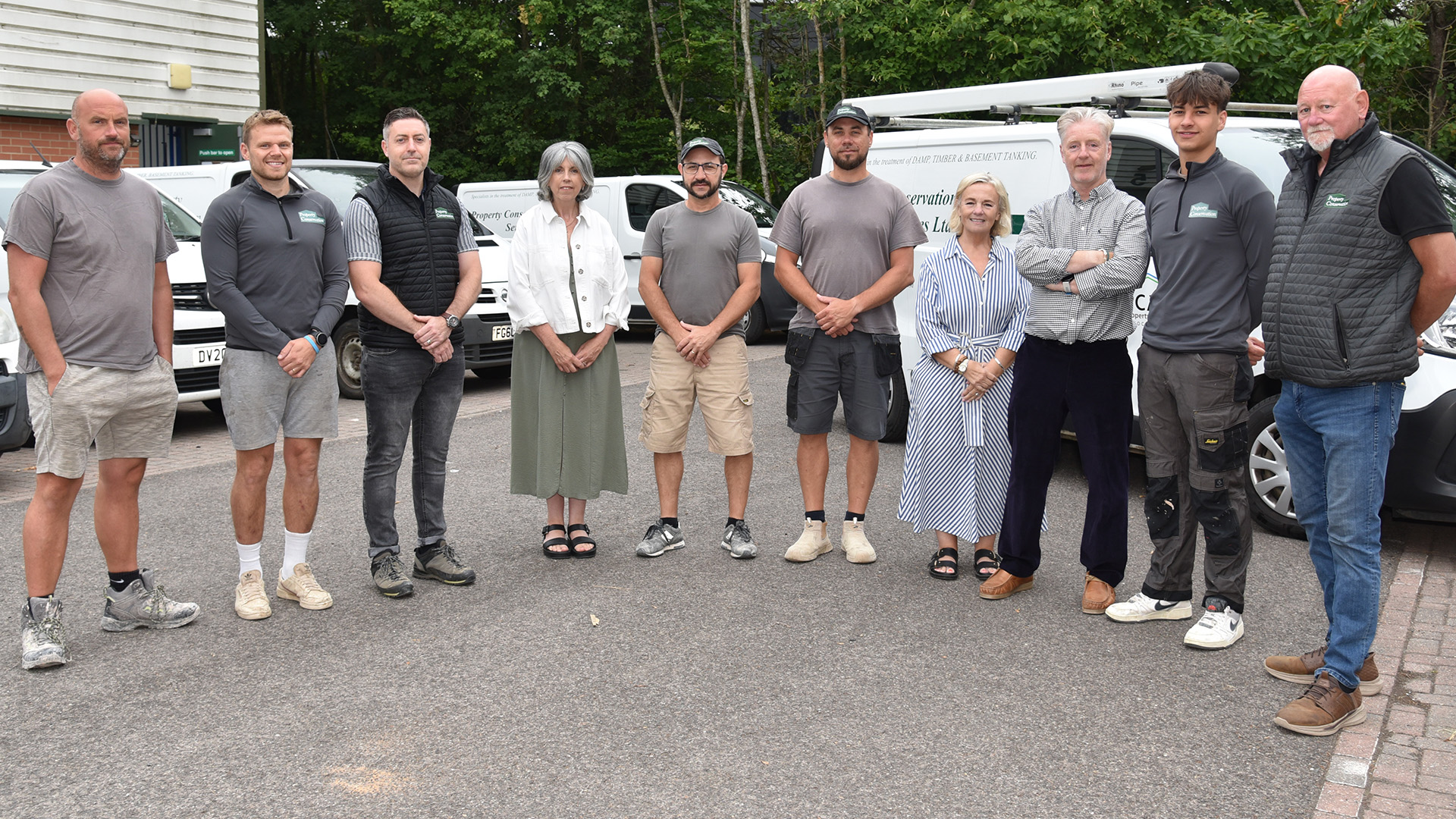
45+ years in Oxfordshire
Local property conservation experience, with more than 150 years of combined experience across the team.
Understand the findings
Experienced surveyors take time to investigate your concerns and explain the recommendations so you can make an informed decision.
Honest, practical advice
We aim to give you a clear understanding of the proposed work. Ask us about the written guarantee applicable to your treatment.


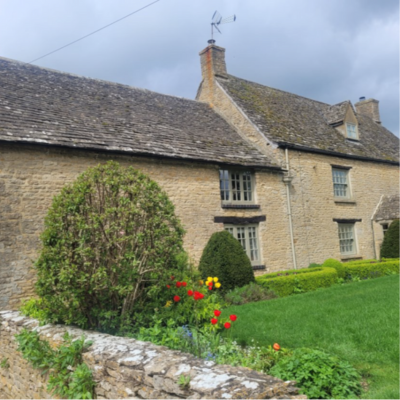
Woodworm treatment during an Oxfordshire refurbishment
Ascott-under-Wychwood
Bore holes and frass were found in roof and floor timbers at a period property. The work included treating accessible timbers, returning when further access became available and reinstating lifted floorboards.
The project shows why access and preparation matter when planning treatment across a building.
View the timber treatment case study →Know what the work involves
The cost and disruption depend on the property and the treatment specified. A survey helps establish the scope before you commit to the work.
- Area and extent of the problem
- Access to affected timber
- Preparation and reinstatement
- Treatment and any repair needs
Before work starts
Ask what needs moving, which areas will be treated, how long access will be restricted and what instructions apply to people and pets.
Tell the team about loft access, floor coverings, previous treatment and any concerns about the condition of the timber.
Discuss your propertyHelpful answers before you book
Understand the signs, the options and what a professional assessment can tell you.
Old holes?
New concerns?
Get the evidence you need to decide what happens next.
How can I tell if woodworm is active?
Fresh-looking exit holes, new bore dust (frass) and correctly identified adult beetles can indicate activity. Old holes alone do not prove that treatment is needed, and dust can be dislodged from historic damage. An inspection considers the evidence together, including timber condition, moisture and any previous treatment.
Can woodworm-damaged roof timbers and floorboards be saved?
Not every affected timber needs replacing. The decision depends on the extent of damage and the timber’s structural role. Suitable treatment can address an infestation, but it cannot replace wood that has been lost or restore its strength. Significantly weakened timbers may need repair or replacement following assessment.
See a roof and floor timber treatment projectHow much does professional woodworm treatment cost?
The price depends on the area affected, access to the timber, the treatment specified and any repairs or preparation needed. A roof void and a small accessible area can involve very different work. Surveys are chargeable. Contact our team for the current survey fee and to arrange an assessment so the recommended work can be priced.
Can I treat woodworm myself?
The first question is whether an active infestation needs treating. A DIY product cannot establish the condition of concealed joists or roof timbers, and the wrong approach may leave the underlying problem unresolved. Seek specialist advice for structural timber, widespread damage or uncertain identification. Any treatment product must be used exactly as its label directs.
Will we need to leave the house, and what about pets?
Access restrictions depend on the product, application method and area being treated. People and pets must stay away from treated areas for the specified period. Ask for clear instructions on preparation, ventilation and re-entry before work starts. There is no single safe return time that applies to every woodworm treatment.
When is the best time of year to treat woodworm?
Arrange an inspection when you notice a concern; do not delay simply to wait for a particular month. Adult emergence can make signs easier to spot in spring and summer, but identification and treatment planning depend on the species, evidence of activity, site conditions and the chosen product.
Read more about spotting seasonal signsCan you hear woodworm, particularly at night?
Some wood-boring beetles make sounds. Deathwatch beetles, for example, produce a tapping sound during courtship. A noise on its own cannot confirm woodworm or identify the species, and a quiet timber can still be affected. Visible evidence and a specialist inspection are more useful than listening alone.
Read more about woodworm soundsHow can I reduce the chance of woodworm returning?
Keep building timbers dry by addressing leaks, condensation and ventilation problems, and follow the aftercare advice for your property. Check for new evidence of activity rather than assuming old holes mean treatment has failed. Moisture management is important, but any further treatment should follow a diagnosis of the particular problem.
Find out what your timber needs.
Tell us what you have noticed. We will help you arrange a survey and understand the next steps for your property.
Based in Oxfordshire · Serving Oxfordshire and surrounding counties. Contact us with your postcode.